WHATSAPP
What Is Art Therapy? Techniques and Ethno Belek Experiences
Art is more than a form of aesthetic expression. It can also offer a different way to communicate thoughts, emotions and experiences. Sometimes, feelings that are difficult to put into words can find expression through colour, lines, shapes, rhythm or the simple act of creating. Art therapy builds on this idea, incorporating creative processes into a psychotherapeutic framework.
Today, art and creativity have a place far beyond professional therapeutic settings. They can be part of personal exploration, cultural experiences, hobbies and social activities. Travelling can also create the perfect opportunity to explore different ways of making and creating, take a break from everyday routines and enjoy the satisfaction of producing something with your own hands.
What Is Art Therapy?
Art therapy is a field of psychotherapy that uses creative disciplines such as painting, drawing, sculpture, collage, creative writing, music and movement. The focus is not simply on producing something visually appealing. Instead, the creative process can provide a way to express thoughts and emotions and explore them within a therapeutic setting.
This is why art therapy should be distinguished from an art class or creative workshop. An art workshop may focus on learning a new technique, creating an object or exploring a particular artistic discipline. In art therapy, artistic activities form part of a therapeutic process guided by a trained professional.
The distinction is important because not every painting session, ceramic activity or musical exercise is art therapy. Creative activities can nevertheless offer a valuable opportunity to slow down, spend time on something meaningful, discover a new skill and step away from the pace of everyday life.
What Techniques Are Used in Art Therapy?
Art therapy encompasses a wide range of creative approaches. The techniques used can vary depending on the purpose of the work, the needs of the participant and the practitioner’s approach. Visual arts, music, movement, drama and writing can all be incorporated into therapeutic processes.
Painting and Drawing
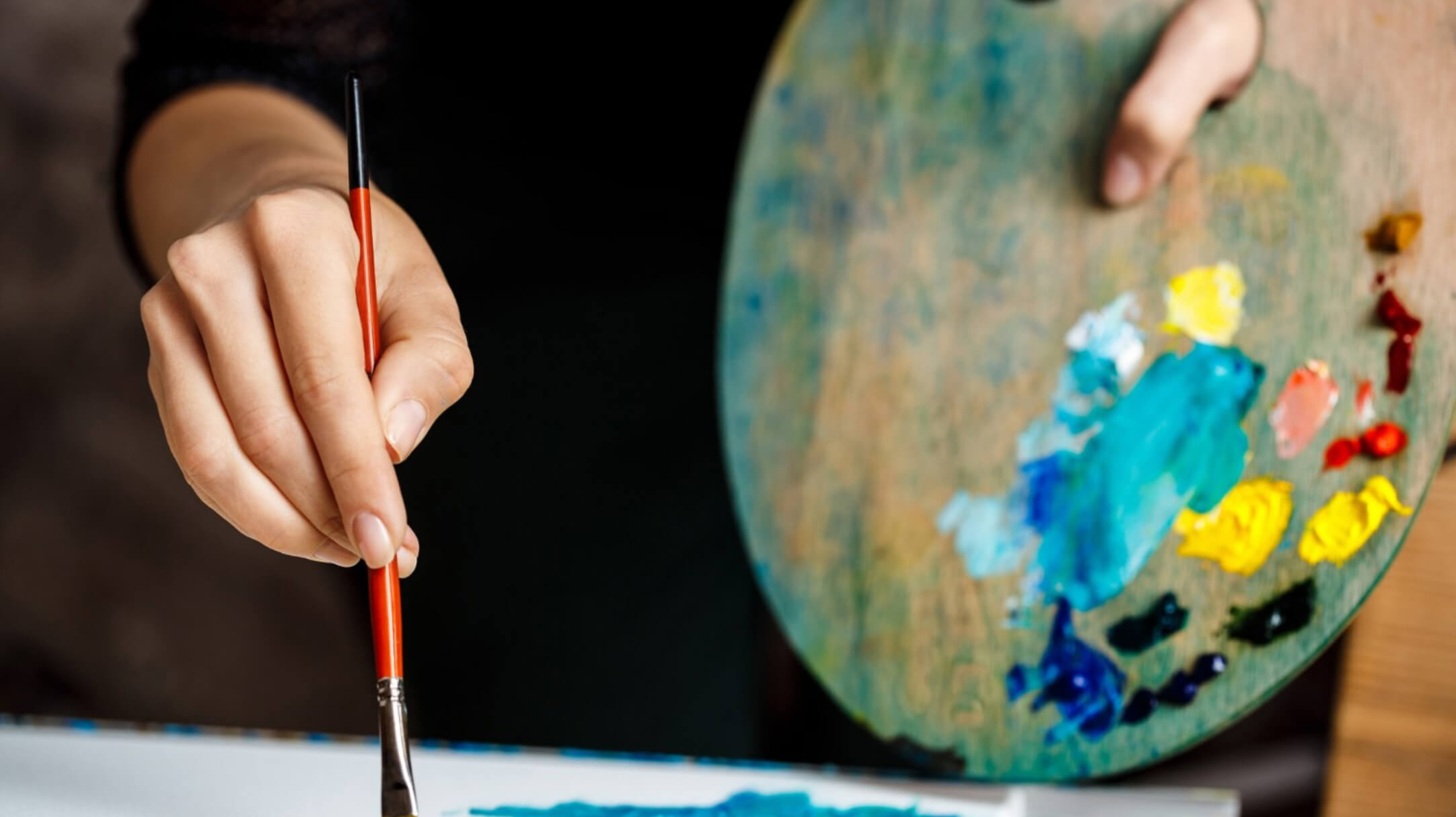
Painting and drawing are among the creative forms of expression most commonly associated with art therapy. Colours, lines, shapes and compositions can be used to create a visual representation.
The aim is not to produce a technically perfect work of art. The creative process itself is what matters, along with the exploration that takes place through it. A professional background in art is therefore not required.
Collage
Collage brings together images, colours, textures and words to create a single composition. Combining different elements in this way can offer another form of visual expression.
It is also an accessible creative activity. Paper, magazine cut-outs, scissors and a variety of other materials can be used to create a personal composition.
Ceramics and Sculpture
Working with clay and ceramics offers a tactile approach to creativity. Touching the material, shaping it and gradually turning it into a tangible form adds a hands-on dimension to the creative process.
Ceramics and sculpture can be incorporated into art therapy, but they can also be enjoyed independently as creative hobbies or as part of a workshop where participants can learn and experiment with different techniques.
Music and Rhythm
Music is another form of creative expression. Listening, creating rhythms, playing an instrument and exploring sound can all feature in different artistic and therapeutic practices.
Music can also create a shared atmosphere during group activities, making it a natural part of experiences centred around art and culture.
Creative Writing
Words can be another medium for expressing thoughts and emotions. Poetry, short stories, journalling and free writing can feature in different art therapy practices.
One of the most accessible aspects of creative writing is that it does not require a literary background. A few sentences, a single word or a short story can be enough to start exploring a creative idea.
How Can Art and Creativity Become Part of Everyday Life?
You do not need to be a professional artist to enjoy creative activities. Visiting an exhibition, working with ceramics, painting an object, discovering a new genre of music or joining a creative workshop can all be ways of developing a personal connection with art.
Making time for these experiences while travelling can turn a traditional holiday into a more personal journey of discovery. The purpose is not to replicate a therapeutic process, but simply to make space for creativity, learn something new and enjoy the experience of creating.
Art and Creative Experiences at Ethno Belek
Creativity, craftsmanship and discovery are an important part of the experience at Ethno Belek. The hotel’s official programme brings together gastronomy, craftsmanship and creativity through a range of workshops. Alongside chocolate-making, mixology, sushi and coffee workshops, different programmes have also featured creative activities such as painting, glass mosaic, jewellery design, punch needle and ceramics.
For guests who enjoy learning something new while travelling, these experiences offer an opportunity to do more than simply create a finished piece. They also provide a chance to discover the materials, learn a technique and become part of the process from beginning to end.
The workshop spaces at Ethno Belek can accommodate different group sizes and types of activities. Genius I and Genius II are designed for larger groups, while Genius III and Genius IV provide a more intimate setting for smaller creative sessions.
Children can also enjoy art and creative activities in different formats. Previous Ethno Kiddo programmes have included ceramics, ebru, wood and stone painting, as well as dedicated painting activities.
Art at Ethno Belek is therefore not limited to one discipline. From gastronomy and craftsmanship to visual arts and hands-on creative activities, the programme brings opportunities to learn, explore and create into the holiday experience.
What Is the Difference Between Art Therapy and an Art Workshop?
The key difference between art therapy and an art workshop lies in their purpose and framework. Art therapy is a professional process conducted by appropriately trained practitioners within a psychotherapeutic context. Art workshops, meanwhile, generally focus on discovering or learning a particular artistic or craft technique and creating something through the experience.
For this reason, a ceramics, painting, glass mosaic or jewellery-making workshop at a hotel should not be described as art therapy. These activities are better understood as creative, hands-on experiences centred around learning, making and discovery.
This distinction also highlights the many ways art can become part of everyday life. Art can form part of a professional therapeutic process, but it can also enrich travel, culture, education, hobbies and social experiences.
Discover the Inspiring World of Art and Creativity at Ethno Belek
A holiday is not only a chance to relax but also an opportunity to make room for new experiences and explore different interests. Working with an unfamiliar material, learning a new technique or creating something of your own during a workshop can add a personal touch to your journey. For those looking to discover more than the traditional holiday experience while exploring hotels in Belek, Ethno Belek brings gastronomy, art, craftsmanship and creativity together through a diverse programme of experiences. As the workshop schedule varies from one period to another, you can explore the latest programme and choose an activity that adds something memorable to your stay.
Frequently Asked Questions About Art Therapy
What conditions is art therapy used for?
Art therapy may be used as a supportive approach in relation to various psychological and psychiatric conditions. Whether it is appropriate and how it should be conducted should be determined by a suitably qualified professional based on the individual’s needs.
What are the benefits of art therapy for children?
Art-based activities can give children additional ways to express themselves alongside verbal communication. When adapted to a child’s age and developmental stage, they can provide opportunities for self-expression and participation in creative processes.
How do you become an art therapist?
The requirements for becoming an art therapist vary depending on the country and relevant professional regulations. Those interested in pursuing this field should research appropriate professional training and specialist programmes and review their respective entry requirements.
How can you study art therapy?
Art therapy education is offered through different institutions and programmes, each with its own structure and areas of focus. When choosing a programme, it is worth considering the curriculum, duration, professional background of the instructors and alignment with relevant professional standards.
How much does art therapy cost?
Art therapy fees vary depending on factors such as session length, whether the session is individual or group-based, location and the practitioner’s experience. For current pricing, it is best to contact the relevant professional or organisation directly.